The concept of 33 koti gods is a misnomer. The term “koti” in Sanskrit can mean both “supreme” and “crore” (10 million). In the context of Hinduism, it is generally understood to mean “supreme”. So, the phrase “33 koti gods” actually means “33 supreme gods”.
The list of 33 supreme gods in Hinduism varies slightly depending on the source, but it typically includes the following:
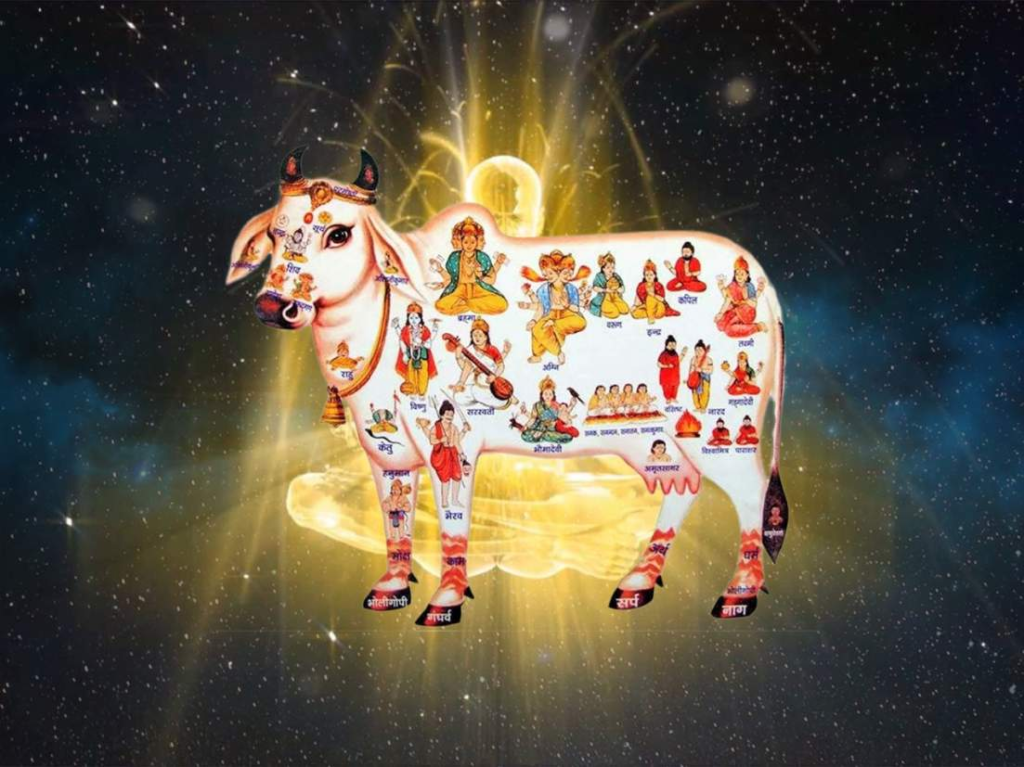
- 8 Vasus: Dyaus, Prithvi, Vayu, Agni, Nakshatra, Varuna, Surya, Chandra
- 12 Adityas: Indra, Mitra, Aryaman, Bhaga, Dhatri, Tvashtar, Pushan, Vivasvat, Amsha, Savitr, Vishnu, Varuna
- 11 Rudras: Aja, Ekapada, Ahirbudhnya, Tvasta, Rudra, Hara, Sambhu, Trayambaka, Aparajita, Ishana, Tribhuvana
- Indra and Prajapati
These gods represent different aspects of the universe, such as the elements, the seasons, the forces of nature, and the social order. They are also seen as embodiments of different qualities, such as power, wisdom, love, and compassion.
The concept of 33 supreme gods is a way of emphasizing the diversity and richness of Hindu belief. It also reflects the Hindu belief that there is a divine presence in all things, both animate and inanimate.
It is important to note that the 33 supreme gods are not the only gods in Hinduism. There are many other gods and goddesses, each with their own unique role and significance. The 33 supreme gods are simply a way of organizing and understanding the vast pantheon of Hindu deities.
 Maha Vishnu
Leave a comment